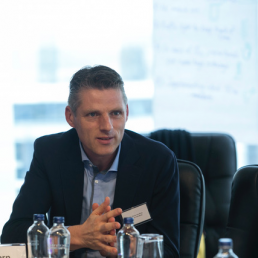
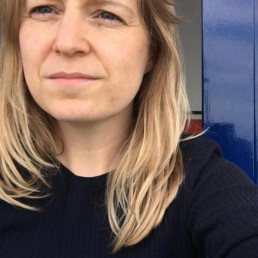
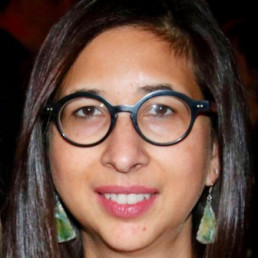
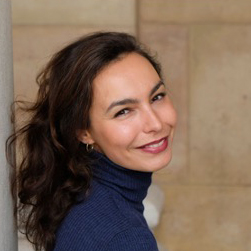
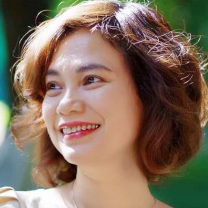
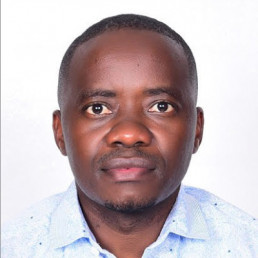
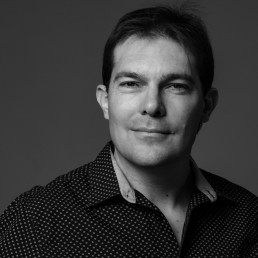
Dietrich is a development professional with over 15 years of experience. He brings with himself unique perspectives from Southern Africa having held positions in local government and civil society. Conversely, he has worked for various IGOs and donor agencies including UNICEF, CDC, GIZ and the World Bank. With an extensive background in project management, Dietrich has worked among others on public healthcare, communication, media and S4D programmes. His research on issues such as housing, corruption and water management has been published by a respected Namibian think tank. Dietrich holds a MA in Peace Research and International Politics from University Tübingen, Germany and a BA degree from Rhodes University, South Africa. He is fluent in German and English and speaks passable Afrikaans.

Dietrich is a development professional with over 15 years of experience. He brings with himself unique perspectives from Southern Africa having held positions in local government and civil society. Conversely, he has worked for various IGOs and donor agencies including UNICEF, CDC, GIZ and the World Bank. With an extensive background in project management, Dietrich has worked among others on public healthcare, communication, media and S4D programmes. His research on issues such as housing, corruption and water management has been published by a respected Namibian think tank. Dietrich holds a MA in Peace Research and International Politics from University Tübingen, Germany and a BA degree from Rhodes University, South Africa. He is fluent in German and English and speaks passable Afrikaans.

Joanne Lee is an UK licenced and experienced global mental health and psychosocial support (MHPSS) professional with a 26-year career. She has supported programmes for a range of populations including children, adults, and older adults in high, medium and low resourced countries as well as emergency, conflict and protracted crisis settings. She brings equal measures of experience as a clinician, manager, leader and technical advisor. She has provided services and programmes ranging from highly specialised areas of mental health practice through to mainstreaming MHPSS into community-based action. She has worked with several INGO’s as well as UN agencies (UNRWA, WHO, WFP and UNICEF) and is also a visiting lecturer in the UK, predominantly for healthcare undergraduate professionals.

Joanne Lee is an UK licenced and experienced global mental health and psychosocial support (MHPSS) professional with a 26-year career. She has supported programmes for a range of populations including children, adults, and older adults in high, medium and low resourced countries as well as emergency, conflict and protracted crisis settings. She brings equal measures of experience as a clinician, manager, leader and technical advisor. She has provided services and programmes ranging from highly specialised areas of mental health practice through to mainstreaming MHPSS into community-based action. She has worked with several INGO’s as well as UN agencies (UNRWA, WHO, WFP and UNICEF) and is also a visiting lecturer in the UK, predominantly for healthcare undergraduate professionals.

Masumi is the Founder and Executive Director of Tsunagu. She has 15 years of experiences mainly in Child Protection, Gender-based violence (GBV), Gender, social protection and livelihoods with UNICEF, International Federation of Red Cross and Red Crescent Societies (IFRC), Japanese Red Cross. She has lived and worked in Afghanistan, China, South Sudan, Zimbabwe and Switzerland and supported numbers of other countries such as Ethiopia, Nigeria, Bangladesh, Somalia, Burundi and DRC on child protection, gender-based violence and protection from sexual exploitation and abuse.
She worked in different technical sectors, countries and organizations throughout her career which made her realize her unique ability to work with experts of diverse background and connect different technical areas, way of thinking and projects to find innovative solutions. As a humanitarian worker, she has also experienced and witnessed both private and professional challenges that many humanitarian workers especially women experience in all stage of their careers and life. Through these experiences, she decided to start Tsunagu with experts who share the same vision and want to make a better future for children and a better care system for humanitarian professionals.

Masumi is the Founder and Executive Director of Tsunagu. She has 15 years of experiences mainly in Child Protection, Gender-based violence (GBV), Gender, social protection and livelihoods with UNICEF, International Federation of Red Cross and Red Crescent Societies (IFRC), Japanese Red Cross. She has lived and worked in Afghanistan, China, South Sudan, Zimbabwe and Switzerland and supported numbers of other countries such as Ethiopia, Nigeria, Bangladesh, Somalia, Burundi and DRC on child protection, gender-based violence and protection from sexual exploitation and abuse.
She worked in different technical sectors, countries and organizations throughout her career which made her realize her unique ability to work with experts of diverse background and connect different technical areas, way of thinking and projects to find innovative solutions. As a humanitarian worker, she has also experienced and witnessed both private and professional challenges that many humanitarian workers especially women experience in all stage of their careers and life. Through these experiences, she decided to start Tsunagu with experts who share the same vision and want to make a better future for children and a better care system for humanitarian professionals.
Masumi is the Founder and Executive Director of Tsunagu. She has 15 years of experiences mainly in Child Protection, Gender-based violence (GBV), Gender, social protection and livelihoods with UNICEF, International Federation of Red Cross and Red Crescent Societies (IFRC), Japanese Red Cross. She has lived and worked in Afghanistan, China, South Sudan, Zimbabwe and Switzerland and supported numbers of other countries such as Ethiopia, Nigeria, Bangladesh, Somalia, Burundi and DRC on child protection, gender-based violence and protection from sexual exploitation and abuse.
She worked in different technical sectors, countries and organizations throughout her career which made her realize her unique ability to work with experts of diverse background and connect different technical areas, way of thinking and projects to find innovative solutions. As a humanitarian worker, she has also experienced and witnessed both private and professional challenges that many humanitarian workers especially women experience in all stage of their careers and life. Through these experiences, she decided to start Tsunagu with experts who share the same vision and want to make a better future for children and a better care system for humanitarian professionals.
Masumi is the Founder and Executive Director of Tsunagu. She has 15 years of experiences mainly in Child Protection, Gender-based violence (GBV), Gender, social protection and livelihoods with UNICEF, International Federation of Red Cross and Red Crescent Societies (IFRC), Japanese Red Cross. She has lived and worked in Afghanistan, China, South Sudan, Zimbabwe and Switzerland and supported numbers of other countries such as Ethiopia, Nigeria, Bangladesh, Somalia, Burundi and DRC on child protection, gender-based violence and protection from sexual exploitation and abuse.
She worked in different technical sectors, countries and organizations throughout her career which made her realize her unique ability to work with experts of diverse background and connect different technical areas, way of thinking and projects to find innovative solutions. As a humanitarian worker, she has also experienced and witnessed both private and professional challenges that many humanitarian workers especially women experience in all stage of their careers and life. Through these experiences, she decided to start Tsunagu with experts who share the same vision and want to make a better future for children and a better care system for humanitarian professionals.
A researcher, social analyst and educator with broad international experience, Marita’s career spans roles in education and training, international development, regional government and socially-engaged research. Working across languages and cultures in Italy, Turkey, Canada, Indonesia, South Korea and Portugal has given her the capacity to think comparatively. Marita has experience in project management, stakeholder engagement and training and capacity building. Skilled in qualitative research and complex social analysis, Marita’s research experience has focused on global migration, gender and the care economy; transnational migration governance mechanisms; community-building and connection in the aftermath of displacement and language-based anti-racism initiatives.

A researcher, social analyst and educator with broad international experience, Marita’s career spans roles in education and training, international development, regional government and socially-engaged research. Working across languages and cultures in Italy, Turkey, Canada, Indonesia, South Korea and Portugal has given her the capacity to think comparatively. Marita has experience in project management, stakeholder engagement and training and capacity building. Skilled in qualitative research and complex social analysis, Marita’s research experience has focused on global migration, gender and the care economy; transnational migration governance mechanisms; community-building and connection in the aftermath of displacement and language-based anti-racism initiatives.

Michelle is a public policy, coordination and children’s rights specialist, experienced in public health and humanitarian crises. She is former UNICEF staff and has worked with UN agencies , NGOs, community organisations and research institutes. She’s been a researcher, writer, coordinator and advisor in Sub-Saharan Africa, Europe, South Asia and Australia – often providing technical oversight of programme design and evaluation as well as, change management and strategic planning. Her academic background is in Geography and her insights on topics related to participatory development, adolescence and children in armed conflict have been published in peer reviewed journals and books.

Michelle is a public policy, coordination and children’s rights specialist, experienced in public health and humanitarian crises. She is former UNICEF staff and has worked with UN agencies , NGOs, community organisations and research institutes. She’s been a researcher, writer, coordinator and advisor in Sub-Saharan Africa, Europe, South Asia and Australia – often providing technical oversight of programme design and evaluation as well as, change management and strategic planning. Her academic background is in Geography and her insights on topics related to participatory development, adolescence and children in armed conflict have been published in peer reviewed journals and books.

Alexina is a humanitarian and community development practitioner with 20 years of experience working with camp-based refugees, internally displaced persons and marginalised communities in rural and urban settings. She has worked with Save the Children (Norway) UNHCR, OCHA and UNFPA and has served as Regional GBV in Emergencies for Middle East, GenCap Advisor Somalia and GBV Coordinator Somalia, the Philippines and Palestine.
She has acquired experience in developing and strengthening systems in preventing and responding to GBV including gender mainstreaming in programs and activities. Alexina is an advocate for gender equality; in 2005, she received an Award for promoting gender equality from the UNHCR.

Alexina is a humanitarian and community development practitioner with 20 years of experience working with camp-based refugees, internally displaced persons and marginalised communities in rural and urban settings. She has worked with Save the Children (Norway) UNHCR, OCHA and UNFPA and has served as Regional GBV in Emergencies for Middle East, GenCap Advisor Somalia and GBV Coordinator Somalia, the Philippines and Palestine.
She has acquired experience in developing and strengthening systems in preventing and responding to GBV including gender mainstreaming in programs and activities. Alexina is an advocate for gender equality; in 2005, she received an Award for promoting gender equality from the UNHCR.

N’Dongo has five years of experience in communications and programming and has worked for the United Nations, UNICEF, IOM, and UN Women. She combines strong communication, research, training, and coordination skills. She has worked in a variety of contexts including West Africa, the Middle East, and in the Balkans. She has a strong interest in the prevention of gender-based violence and child protection programming.
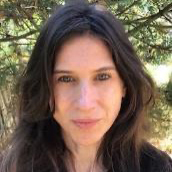
N’Dongo holds two Master’s Degrees (MA) in international relations from Sciences Po, and in communications from the Free University of Brussels. She is fluent in English, French, Fula and is learning Arabic and Spanish.

N’Dongo has five years of experience in communications and programming and has worked for the United Nations, UNICEF, IOM, and UN Women. She combines strong communication, research, training, and coordination skills. She has worked in a variety of contexts including West Africa, the Middle East, and in the Balkans. She has a strong interest in the prevention of gender-based violence and child protection programming.
N’Dongo holds two Master’s Degrees (MA) in international relations from Sciences Po, and in communications from the Free University of Brussels. She is fluent in English, French, Fula and is learning Arabic and Spanish.

Ibrahim is a lecturer at the Department of Peace and Conflict Studies, Fourah Bay College, University of Sierra Leone. He has worked extensively in the fields of disarmament, demobilization and reintegration (DDR) of ex-combatants, security sector reform, and sustainable livelihoods. He is a 2016 recipient of the Social Science Research Council’s African Peacebuilding Network’s Individual Research Grant. He holds a bachelor’s degree in Political Science and History, a master’s degree in Gender Studies, a master’s degree in International Development Studies, and a doctoral degree in Economics from the Leipzig Graduate School of Management.

Ibrahim is a lecturer at the Department of Peace and Conflict Studies, Fourah Bay College, University of Sierra Leone. He has worked extensively in the fields of disarmament, demobilization and reintegration (DDR) of ex-combatants, security sector reform, and sustainable livelihoods. He is a 2016 recipient of the Social Science Research Council’s African Peacebuilding Network’s Individual Research Grant. He holds a bachelor’s degree in Political Science and History, a master’s degree in Gender Studies, a master’s degree in International Development Studies, and a doctoral degree in Economics from the Leipzig Graduate School of Management.

Mathilde has 13 years of experience in child protection, child rights and early childhood development with the United Nations, NGOs and foundations in humanitarian and development contexts. She has worked in Côte d’Ivoire, the DRC, Ethiopia, Uganda and at UNICEF Headquarters in New York. She has hands-on expertise in child protection programme design and management with a focus on prevention and response to violence against children, children associated with armed forces and armed groups, as well as family separation in emergencies. She has strong advocacy, coordination, networking, and partnership building skills, excellent presentation, and communication skills in both French and English.

Mathilde has 13 years of experience in child protection, child rights and early childhood development with the United Nations, NGOs and foundations in humanitarian and development contexts. She has worked in Côte d’Ivoire, the DRC, Ethiopia, Uganda and at UNICEF Headquarters in New York. She has hands-on expertise in child protection programme design and management with a focus on prevention and response to violence against children, children associated with armed forces and armed groups, as well as family separation in emergencies. She has strong advocacy, coordination, networking, and partnership building skills, excellent presentation, and communication skills in both French and English.

Kanako brings 10 years of experience in the field of development and humanitarian context focusing on programme design and management of child rights issues with the UN and International NGOs. Some of her previous assignments include initiatives on life skills, child protection programmes, implementation of Education Management Information System (EMIS) with the Ministry counterparts, youth participation and innovation, Communication for Development, and Girls Education. She has experiences in the Democratic Republic of Congo, Westbank & Gaza, South Sudan, Sri Lanka, Kenya and Namibia. She can work in English, French and Japanese.

Kanako brings 10 years of experience in the field of development and humanitarian context focusing on programme design and management of child rights issues with the UN and International NGOs. Some of her previous assignments include initiatives on life skills, child protection programmes, implementation of Education Management Information System (EMIS) with the Ministry counterparts, youth participation and innovation, Communication for Development, and Girls Education. She has experiences in the Democratic Republic of Congo, Westbank & Gaza, South Sudan, Sri Lanka, Kenya and Namibia. She can work in English, French and Japanese.

Chimène has strong expertise in Disarmament, Demobilization and Reintegration processes and trained as Trainer of Trainor’s in International DDR Standards and in Weapons and Ammunitions Management. She led the development of a written signed commitment between the UN and the Unified Communist Party of Nepal-Maoist that allowed the release of thousands of minors from military barracks and the de-listing of UCP-Maoist from the list of armed groups using children. She was a long-term consultant in supporting the Ivorian Government in developing reintegration plans for returning migrants from Libya. In 2020, she assessed Burkina Faso readiness for future implementation of a DDR process that would include rehabilitation of prisoners suspected of terrorism, community reconciliation and long-lasting reintegration.

Chimène has strong expertise in Disarmament, Demobilization and Reintegration processes and trained as Trainer of Trainor’s in International DDR Standards and in Weapons and Ammunitions Management. She led the development of a written signed commitment between the UN and the Unified Communist Party of Nepal-Maoist that allowed the release of thousands of minors from military barracks and the de-listing of UCP-Maoist from the list of armed groups using children. She was a long-term consultant in supporting the Ivorian Government in developing reintegration plans for returning migrants from Libya. In 2020, she assessed Burkina Faso readiness for future implementation of a DDR process that would include rehabilitation of prisoners suspected of terrorism, community reconciliation and long-lasting reintegration.

Gloria is a medical doctor with long experience working in humanitarian contexts in Latin-America, Africa and Asia, in the field of public health. She has been working with MSF, UNHCR, UNICEF and ECHO in a variety of programs and countries, with focus on primary health care, mental health, epidemic preparedness and access to basic health services. She is passionate about working with multi-disciplinary teams to promote evidence-based policies and strategic planning. She is interested in the social determinants of health, social inclusion and local strategies to address climate change.

Gloria is a medical doctor with long experience working in humanitarian contexts in Latin-America, Africa and Asia, in the field of public health. She has been working with MSF, UNHCR, UNICEF and ECHO in a variety of programs and countries, with focus on primary health care, mental health, epidemic preparedness and access to basic health services. She is passionate about working with multi-disciplinary teams to promote evidence-based policies and strategic planning. She is interested in the social determinants of health, social inclusion and local strategies to address climate change.

Marta has 11 years of experience in designing, implementing, and supporting protection, child protection and gender-based violence programming. She has been working in over 10 countries such as Iraq, Libya, Myanmar, South Sudan, Niger, Burkina Faso with INGOs as well as with the European Commission as Migration Officer. Her portfolio includes a strong expertise in child protection in emergencies, gender-transformative processes and gender mainstreaming, assessment and evaluations, case management and community-based approaches, multi-sectorial programming, cash and voucher distribution, safeguarding and PSEA, as well Accountability to affected population. She is a certified SPHERE, CHS and HEAT humanitarian professional.

Marta has 11 years of experience in designing, implementing, and supporting protection, child protection and gender-based violence programming. She has been working in over 10 countries such as Iraq, Libya, Myanmar, South Sudan, Niger, Burkina Faso with INGOs as well as with the European Commission as Migration Officer. Her portfolio includes a strong expertise in child protection in emergencies, gender-transformative processes and gender mainstreaming, assessment and evaluations, case management and community-based approaches, multi-sectorial programming, cash and voucher distribution, safeguarding and PSEA, as well Accountability to affected population. She is a certified SPHERE, CHS and HEAT humanitarian professional.

Natasha is an operations and finance expert and provides operational, financial and logistical support to consultants and organisations in the international development sector. Natasha’s career includes accounting and finance services, in the private and not for profit sectors, including as Chief Accountant for the Italian subsidiary at Leco Europe.

Natasha is an operations and finance expert and provides operational, financial and logistical support to consultants and organisations in the international development sector. Natasha’s career includes accounting and finance services, in the private and not for profit sectors, including as Chief Accountant for the Italian subsidiary at Leco Europe.

Karin is an expert in Child Protection, refugee response and integration, with over 15 years of experience working with child protection, children’s rights, emergency management and integration in Europe, Africa, Asia. Karin has designed programs focusing on providing protection to children in emergency situations, in refugee settings as well as IDP settings. She has a solid background in coordination of emergency response both as emergency coordinator for UNICEF in Kurdish region of Iraq as well as Child Protection cluster coordinator in South Sudan, Nepal, and Ukraine where she has developed strong strategic and analytical skills with UNICEF.

Karin is an expert in Child Protection, refugee response and integration, with over 15 years of experience working with child protection, children’s rights, emergency management and integration in Europe, Africa, Asia. Karin has designed programs focusing on providing protection to children in emergency situations, in refugee settings as well as IDP settings. She has a solid background in coordination of emergency response both as emergency coordinator for UNICEF in Kurdish region of Iraq as well as Child Protection cluster coordinator in South Sudan, Nepal, and Ukraine where she has developed strong strategic and analytical skills with UNICEF.

Phan is a senior lecturer at Hanoi Law University in Vietnam. She received a Doctor of Law Degree from the Graduate School of Law (Nagoya University, Japan) in 2012. Human rights and rule of law are her key research interests, especially the protection of the rights of disadvantaged groups in Viet Nam. Significantly, she has conducted a number of research projects on the rights of vulnerable groups such as persons with disabilities, sex workers, ethnic minority women, and children in comparison with international standards. Phan also works as for UN Women, UNICEF, UNFPA, and UNDP in Viet Nam on themes including Child Justice and Gender equality.

Phan is a senior lecturer at Hanoi Law University in Vietnam. She received a Doctor of Law Degree from the Graduate School of Law (Nagoya University, Japan) in 2012. Human rights and rule of law are her key research interests, especially the protection of the rights of disadvantaged groups in Viet Nam. Significantly, she has conducted a number of research projects on the rights of vulnerable groups such as persons with disabilities, sex workers, ethnic minority women, and children in comparison with international standards. Phan also works as for UN Women, UNICEF, UNFPA, and UNDP in Viet Nam on themes including Child Justice and Gender equality.

Elayn holds two Masters’ Degrees (MSc.) in Disability Studies and MSc. in Equality and Social Inclusion. She has more than 20 years’ results oriented international development experience in social policy (child protection systems, child-sensitive social protection, health, education) in low and middle-income countries, fragile states and humanitarian contexts. Elayn has extensive experience in both leadership and technical expert roles with NGOs and as a former staff member with UNICEF, and consultant in a range of low-, middle- and high-income economies of East and Southern Africa, Europe and Central Asia, East Asia and Pacific, and South Asia regions.

Elayn holds two Masters’ Degrees (MSc.) in Disability Studies and MSc. in Equality and Social Inclusion. She has more than 20 years’ results oriented international development experience in social policy (child protection systems, child-sensitive social protection, health, education) in low and middle-income countries, fragile states and humanitarian contexts. Elayn has extensive experience in both leadership and technical expert roles with NGOs and as a former staff member with UNICEF, and consultant in a range of low-, middle- and high-income economies of East and Southern Africa, Europe and Central Asia, East Asia and Pacific, and South Asia regions.

Maki is a development specialist with over 15 years of experience. She managed the oversees development aid of the Japanese Government, focusing on livelihood improvement of rural populations in fragile contexts such as Sri Lanka, Bosnia Herzegovina, and Philippines. She designs and runs projects that deliver both the immediate impacts and sustainable solutions along with peace promoting efforts. She provides consultancy services for the public and private sectors and NGOs in design for the improved supply chain management to promote responsible sourcing. Maki holds an MBA and master’s in Agriculture.

Maki is a development specialist with over 15 years of experience. She managed the oversees development aid of the Japanese Government, focusing on livelihood improvement of rural populations in fragile contexts such as Sri Lanka, Bosnia Herzegovina, and Philippines. She designs and runs projects that deliver both the immediate impacts and sustainable solutions along with peace promoting efforts. She provides consultancy services for the public and private sectors and NGOs in design for the improved supply chain management to promote responsible sourcing. Maki holds an MBA and master’s in Agriculture.

Manuela is a designer who had a previous career in civil engineering. She completed a Digital Communication Design Technical Course in Portugal, with a ´Student of Merit´ acknowledgment. She worked both as a graphic designer in a Portuguese Studio and as a Freelancer.
She has a strong interest in photography and especially film photography, which has led to a self-taught method of leaning and workshops. In 2015 she was awarded with a ´Photography Honourable Mention´ in a contest held by Municipality of Braga (Portugal).

Manuela is a designer who had a previous career in civil engineering. She completed a Digital Communication Design Technical Course in Portugal, with a ´Student of Merit´ acknowledgment. She worked both as a graphic designer in a Portuguese Studio and as a Freelancer.
She has a strong interest in photography and especially film photography, which has led to a self-taught method of leaning and workshops. In 2015 she was awarded with a ´Photography Honourable Mention´ in a contest held by Municipality of Braga (Portugal).

Selina is an accomplished gender-based violence (GBV), prevention of sexual exploitation and abuse (PSEA) and mental health (MHPSS) professional, with more than 10 years of experience in management of programs, coordination, capacity building, information management, supervision of service delivery and development of curricula. Selina has been consulting with various non- governmental organizations and UN agencies since 2016 in the areas of MHPSS and GBV with a focus on gender and GBV mainstreaming, the rollout of the PSEA UNICEF procedure and the development of guidance on PSEA for governments. Her work experience is extensive in the Middle East and North Africa region countries and at the global level. She has experience working with sectors such as nutrition, WASH, education, and cash assistance.

Selina is an accomplished gender-based violence (GBV) , prevention of sexual exploitation and abyes (PSEA) and mental health (MHPSS) professional with more than 10 years of experience in management of programs, coordination, capacity building, information management, supervision of service delivery and development of curricula. Selina has been consulting with various non- governmental organizations and UN agencies since 2016 in the areas of MHPSS and GBV with a focus on gender and GBV mainstreaming, the rollout of the PSEA UNICEF procedure and the development of guidance on PSEA for governments. Her work experience is extensive in the Middle East and North Africa region countries and at the global level. She has experience working with sectors such as nutrition, WASH, education, and cash assistance.

Sophie has over 14 years’ experience in the Humanitarian and development field in Child Protection, Access to Justice, Gender, and conflict transformation programming. She has specialized for the past seven years in Monitoring, Evaluation, Accountability, and Learning, engaged in developing policy documents, training material, methodological guidance papers, and study protocols for MEAL-related work in the Child Protection and Justice sector. Sophie has undertaken MEAL mentoring missions, evaluations and training courses in Ecuador, Colombia, Mali, Mauritania, Guinea, India, Afghanistan, and Lebanon.

Sophie has over 14 years’ experience in the Humanitarian and development field in Child Protection, Access to Justice, Gender, and conflict transformation programming. She has specialized for the past seven years in Monitoring, Evaluation, Accountability, and Learning, engaged in developing policy documents, training material, methodological guidance papers, and study protocols for MEAL-related work in the Child Protection and Justice sector. Sophie has undertaken MEAL mentoring missions, evaluations and training courses in Ecuador, Colombia, Mali, Mauritania, Guinea, India, Afghanistan, and Lebanon.

Leigh-Ashley has more than 15 years of experience in Protection, Gender-based Violence and Human Rights response. She is former UN Department of Peacekeeping Operations staff; a member of the Inter-Agency Standing Committee GenCap roster; and the Prevention of Sexual Violence in Conflict (PSVI) Team of Experts. She served as Regional GBV in Emergencies Advisor for Asia-Pacific for the GBV AoR, and as inter-agency GBV Coordinator in South Sudan and Bangladesh. She has consulted for UNFPA, IOM and RedR UK, among others. She holds a Ph.D. from University of California – Berkeley and is an Adjunct Research Fellow at the Center for Human Rights and International Justice at Stanford University.

Leigh-Ashley has more than 15 years of experience in Protection, Gender-based Violence and Human Rights response. She is former UN Department of Peacekeeping Operations staff; a member of the Inter-Agency Standing Committee GenCap roster; and the Prevention of Sexual Violence in Conflict (PSVI) Team of Experts. She served as Regional GBV in Emergencies Advisor for Asia-Pacific for the GBV AoR, and as inter-agency GBV Coordinator in South Sudan and Bangladesh. She has consulted for UNFPA, IOM and RedR UK, among others. She holds a Ph.D. from University of California – Berkeley and is an Adjunct Research Fellow at the Center for Human Rights and International Justice at Stanford University.

Ramlatu is a development practitioner with 14 years of working experience in supporting governments and development partners in designing, implementing, researching, and evaluating social policies. Her technical specialism is in the social protection sector and she is especially interested in supporting the design and implementation of integrated national social protection programmes and understanding how they can effectively and efficiently work alongside other social sectors like education. She has experience working in 15 countries with senior government officials, as well as collaboration with a range of development partners, including the World Bank, ILO, UNICEF, and FCDO.

Ramlatu is a development practitioner with 14 years of working experience in supporting governments and development partners in designing, implementing, researching, and evaluating social policies. Her technical specialism is in the social protection sector and she is especially interested in supporting the design and implementation of integrated national social protection programmes and understanding how they can effectively and efficiently work alongside other social sectors like education. She has experience working in 15 countries with senior government officials, as well as collaboration with a range of development partners, including the World Bank, ILO, UNICEF, and FCDO.

Chantal is a Child Protection Specialist. Over the past 15 years, she worked with the Swiss Agency for Development and Cooperation, national and international NGOs, OHCHR and UNICEF to enhance child protection systems with a focus on violence prevention and response, demobilize and reintegrate children associated with armed forces and groups, develop child friendly justice systems, monitor human rights and respond to crisis, including in South Africa, Palestine, Myanmar, Burundi, Zimbabwe, Sudan and Ethiopia. Chantal holds an M.A. in International Relations from the Graduate Institute of International Studies in Geneva and an L.L.M in Public International Law from the University of Leiden.

Chantal is a Child Protection Specialist. Over the past 15 years, she worked with the Swiss Agency for Development and Cooperation, national and international NGOs, OHCHR and UNICEF to enhance child protection systems with a focus on violence prevention and response, demobilize and reintegrate children associated with armed forces and groups, develop child friendly justice systems, monitor human rights and respond to crisis, including in South Africa, Palestine, Myanmar, Burundi, Zimbabwe, Sudan and Ethiopia. Chantal holds an M.A. in International Relations from the Graduate Institute of International Studies in Geneva and an L.L.M in Public International Law from the University of Leiden.

Masumi brings more than 15 years of experience mainly in Child Protection, gender-based violence), gender, PSEA, social protection and livelihoods with UNICEF, International Federation of Red Cross and Red Crescent Societies (IFRC), Japanese Red Cross and the Japan Centre for Conflict Resolution. She worked in both development and humanitarian contexts such as Afghanistan, China, Sri Lanka, South Sudan and Zimbabwe and at the global post in Geneva. She has been mentoring start-ups and non-profit organizations in Google SDGs accelerate and the impact challenge for women and girls since 2020. She holds a Master of International Law.

Masumi brings more than 15 years of experience mainly in Child Protection, gender-based violence), gender, PSEA, social protection and livelihoods with UNICEF, International Federation of Red Cross and Red Crescent Societies (IFRC), Japanese Red Cross and the Japan Centre for Conflict Resolution. She worked in both development and humanitarian contexts such as Afghanistan, China, Sri Lanka, South Sudan and Zimbabwe and at the global post in Geneva. She has been mentoring start-ups and non-profit organizations in Google SDGs accelerate and the impact challenge for women and girls since 2020. She holds a Master of International Law.

Cristina is a WASH Specialist, with 10 years of experience in humanitarian and development contexts. She has worked in Guatemala, Myanmar, South Sudan, Jordan, CAR, Kenya and Tanzania, for NGOs such as Oxfam, NRC and ACF, and UN agencies like UNICEF and IOM. Cristina holds an MSc in Water Management in addition to an BSc in Environmental Sciences. She has also coordinated WASH responses at national level in 4 countries with technical focus on integrated programming to address contextual vulnerabilities such as Nutrition (Famine responses), Public Health (Outbreaks like Cholera, Ebola, Hep E, Covid-19), or Protection (GBV, Inclusion). She can work in 3 languages (English, French and Spanish).

Cristina is a WASH Specialist, with 10 years of experience in humanitarian and development contexts. She has worked in Guatemala, Myanmar, South Sudan, Jordan, CAR, Kenya and Tanzania, for NGOs such as Oxfam, NRC and ACF, and UN agencies like UNICEF and IOM. Cristina holds an MSc in Water Management in addition to an BSc in Environmental Sciences. She has also coordinated WASH responses at national level in 4 countries with technical focus on integrated programming to address contextual vulnerabilities such as Nutrition (Famine responses), Public Health (Outbreaks like Cholera, Ebola, Hep E, Covid-19), or Protection (GBV, Inclusion). She can work in 3 languages (English, French and Spanish).

Ivanka has 22 years of experience in the child protection and social welfare sphere in a leadership position. She has long experience in piloting models and practices, as well as their replication on a national scale in the areas of community-based services to prevent family breakdown and institutionalisation, early childhood development and intervention, development of alternative family based and community based services like family strengthening programme, foster care, short-term residential care, kinship care and adoption. She is a founder of several NGO networks and Alliances, an active contributor to NGO development in Bulgaria and a former Board member of a range of NGO networks.

Ivanka has 22 years of experience in the child protection and social welfare sphere in a leadership position. She has long experience in piloting models and practices, as well as their replication on a national scale in the areas of community-based services to prevent family breakdown and institutionalisation, early childhood development and intervention, development of alternative family based and community based services like family strengthening programme, foster care, short-term residential care, kinship care and adoption. She is a founder of several NGO networks and Alliances, an active contributor to NGO development in Bulgaria and a former Board member of a range of NGO networks.

Angelica has over 15 years of experience in water sanitation and hygiene (WASH), working in over 20 countries with a range of INGOs (Humanity & Inclusion, Oxfam, ACF, Save the Children), as well as USAID’s Bureau for Humanitarian Assistance (BHA). This includes experience in rapid onset disasters, chronic emergencies, and resilience programming.
Her educational background includes a dual Masters in Public Health and Nursing and she is completing a Certificate in Program Evaluation. Her current areas of interest include inclusion (focus on people with disabilities and gender), increasing coherence between emergency and development programming, WASH in infectious disease preparedness and response, and program evaluation.

Angelica has over 15 years of experience in water sanitation and hygiene (WASH), working in over 20 countries with a range of INGOs (Humanity & Inclusion, Oxfam, ACF, Save the Children), as well as USAID’s Bureau for Humanitarian Assistance (BHA). This includes experience in rapid onset disasters, chronic emergencies, and resilience programming.
Her educational background includes a dual Masters in Public Health and Nursing and she is completing a Certificate in Program Evaluation. Her current areas of interest include inclusion (focus on people with disabilities and gender), increasing coherence between emergency and development programming, WASH in infectious disease preparedness and response, and program evaluation.

Kate is an international development professional with more than 10 years of experience managing programs in complex environments. She has successfully led diverse teams in post-conflict and humanitarian settings, and thrives in coordination roles with government, civil society, international and local stakeholders. Kate has served as an advisor to mission-driven start-ups in Silicon Valley and good governance initiatives in West Africa, and specializes in customizing technologies for more just, inclusive and connected societies.

Kate is an international development professional with more than 10 years of experience managing programs in complex environments. She has successfully led diverse teams in post-conflict and humanitarian settings, and thrives in coordination roles with government, civil society, international and local stakeholders. Kate has served as an advisor to mission-driven start-ups in Silicon Valley and good governance initiatives in West Africa, and specializes in customizing technologies for more just, inclusive and connected societies.

Julia has over 7 years of experience in Gender, GBV prevention & response and Protection in development and humanitarian settings, working with grass-root level CSOs and INGOs, coordinating with government stakeholders and the UN. Her experience encompasses working with refugees, IDPs and stateless populations. Julia has set up and led Protection, including Child Protection and GBV prevention and response programs with a strong focus on capacity building, training of staff and partners and developing tools and guidance. She has experience co-leading the national GBV Sub-Sector Working Group in Libya alongside UNFPA.

Julia has over 7 years of experience in Gender, GBV prevention & response and Protection in development and humanitarian settings, working with grass-root level CSOs and INGOs, coordinating with government stakeholders and the UN. Her experience encompasses working with refugees, IDPs and stateless populations. Julia has set up and led Protection, including Child Protection and GBV prevention and response programs with a strong focus on capacity building, training of staff and partners and developing tools and guidance. She has experience co-leading the national GBV Sub-Sector Working Group in Libya alongside UNFPA.

Fabiola holds a Bachelor’s Degree in International Relations and a Master’s Degree in International Migration and Public Policy from the London School of Economics and Political Science. She has international experience in providing support for migrants, refugees and other vulnerable population groups, specifically regarding legal aid, education, and social and cultural integration. She co-authored the article: ‘A Deep Wound: The Hell on Earth in which Migrant Workers and Their Families Live’, published in the academic journal Xipe Totek; and the book “El Paraíso de la Impunidad en México”.

Fabiola holds a Bachelor’s Degree in International Relations and a Master’s Degree in International Migration and Public Policy from the London School of Economics and Political Science. She has international experience in providing support for migrants, refugees and other vulnerable population groups, specifically regarding legal aid, education, and social and cultural integration. She co-authored the article: ‘A Deep Wound: The Hell on Earth in which Migrant Workers and Their Families Live’, published in the academic journal Xipe Totek; and the book “El Paraíso de la Impunidad en México”.

Mira is an expert in humanitarian assistance and international development with 20 years’ experience developing and implementing contextually relevant strategies to maximise social impact, ensure aid effectiveness, and manage risk in complex environments. She carried out extensive field monitoring, managing complex programmes and ensuring rigorous research, analysis and evaluation activities underpin strategic and operational decisions. Her work on market-based solutions included developing partnerships with commercial grain suppliers to address issues with grain imports during a major drought in Zimbabwe, ensuring the impact and sustainability of crisis response efforts.

Mira is an expert in humanitarian assistance and international development with 20 years’ experience developing and implementing contextually relevant strategies to maximise social impact, ensure aid effectiveness, and manage risk in complex environments. She carried out extensive field monitoring, managing complex programmes and ensuring rigorous research, analysis and evaluation activities underpin strategic and operational decisions. Her work on market-based solutions included developing partnerships with commercial grain suppliers to address issues with grain imports during a major drought in Zimbabwe, ensuring the impact and sustainability of crisis response efforts.

Joseph is a consultant in Disability Inclusive Development with 9 years of experience in the field of Disability Inclusion in the humanitarian and development sector in Rwandan and international contexts. He holds a master’s degree in Child Development that he obtained in 2018 from the University of Haifa in Israel. His work focuses on Early Childhood Development and Community Based Inclusive Development in Rwanda, Togo and Democratic Republic of the Congo. He is a founder of CECHE Foundation, a local NGO operating in Rwanda to promote access and participation to inclusive and essential services to children with disabilities and their families.

Joseph is a consultant in Disability Inclusive Development with 9 years of experience in the field of Disability Inclusion in the humanitarian and development sector in Rwandan and international contexts. He holds a master’s degree in Child Development that he obtained in 2018 from the University of Haifa in Israel. His work focuses on Early Childhood Development and Community Based Inclusive Development in Rwanda, Togo and Democratic Republic of the Congo. He is a founder of CECHE Foundation, a local NGO operating in Rwanda to promote access and participation to inclusive and essential services to children with disabilities and their families.

Miho is gender and gender based violence (GBV)specialist, skilled in gender mainstreaming and creative communication. With her passion for translating complex development topics into easy-to-understand materials, she uses stories and illustrations that inspire readers to view social issues through a human lens and invite them to be part of the solution. She has worked with the UN and INGOs since 2009.

Miho is gender and gender based violence (GBV)specialist, skilled in gender mainstreaming and creative communication. With her passion for translating complex development topics into easy-to-understand materials, she uses stories and illustrations that inspire readers to view social issues through a human lens and invite them to be part of the solution. She has worked with the UN and INGOs since 2009.

Mark has a background in economics, with 25 years of experience in sustainable economic development in fragile and conflict-affected settings, private sector development, conflict- sensitive and peace-promoting business, conflict analysis and peace building, security and human rights, economic opportunity mappings, value chain development, corporate social responsibility, child labour, living wage and other SG (environmental, social and governance) issues. Mark has used this experience in projects in various fragile settings, including Lebanon, Iraq, Colombia, Cameroon, DRC, Chad, Kenya, Mali, Nigeria and South Sudan.

Mark has a background in economics, with 25 years of experience in sustainable economic development in fragile and conflict-affected settings, private sector development, conflict- sensitive and peace-promoting business, conflict analysis and peace building, security and human rights, economic opportunity mappings, value chain development, corporate social responsibility, child labour, living wage and other SG (environmental, social and governance) issues. Mark has used this experience in projects in various fragile settings, including Lebanon, Iraq, Colombia, Cameroon, DRC, Chad, Kenya, Mali, Nigeria and South Sudan.